


THE CHINESE CALENDAR
When we hear about Chinese New Year, curiosity takes over, especially because of the fascination with a tradition that is completely different from the Western one. Why does China celebrate the beginning of a new year on a different day from ours?
This depends on the use of a different calendar. The Chinese calendar is lunisolar, the beginning of each month is linked to each new moon phase, while the years are marked following the Ganzhi, which is a 60-year cycle.
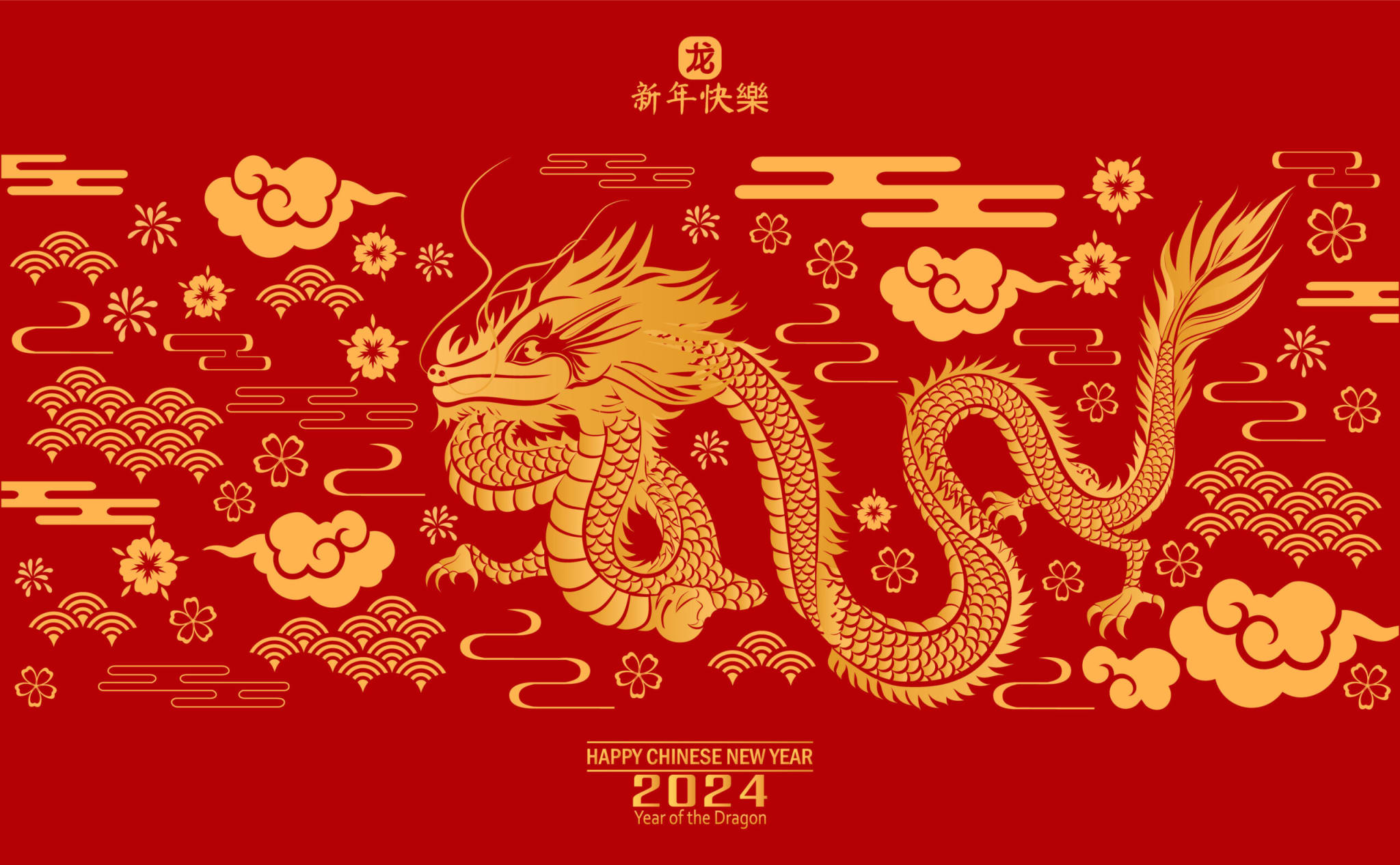
Perhaps the most fascinating characteristic concerns the naming of each year, which consists of two parts: a celestial stem and a terrestrial branch. There are 10 celestial stems and 12 terrestrial branches (to which the animals of the Chinese zodiac are associated) and the name of each year is therefore composed by gradually exhausting all 60 possible combinations, until the end of the cycle. Based on the theory of elements, furthermore, each zodiac sign is cyclically associated with an element among earth, water, fire, wood and metal. On February 10, 2024, the year of the Wood Dragon began, which ended on January 28, 2025.
An interesting fact. Chinese New Year is usually celebrated on a date between January 21 and February 20. Yet, the name by which this holiday is referred to is 春节 Chūn Jié, or Spring Festival, because during this period falls the first of the 24 solar terms of the traditional Chinese calendar, called precisely "Beginning of Spring" (立春 Lìchūn).
THE CELEBRATIONS
The three most important days linked to the holiday are:
- The Reunion Dinner (February 9, 2024). On New Year's Eve, families gather to enjoy a rich banquet, a celebration very similar to our New Year's Eve feast.
- New Year's Day (February 10, 2024) is spent visiting relatives and friends to wish them a happy new year. Among the day's events are the wonderful parades with the Dragon Dance and the Lion Dance, generally followed by fireworks displays during the evening.
- The Lantern Festival (February 24, 2024) closes the new year celebrations with dances, parades and a nighttime torchlight procession lit by vibrant colored lanterns.
WHERE TO CELEBRATE IN ITALY?
For children, Chinese New Year can be a truly fascinating celebration to discover, getting in touch with the history and traditions of a different culture. An event full of lights, colors, fireworks and incredible flavors. Even in Italy it's possible to get a taste of it, especially where the Chinese community is most present.
On via Paolo Sarpi, the beating heart of Milan's Chinatown, you can enjoy the New Year decorations while strolling among the shops and munching on Chinese street food. For Sunday, February 11, celebrations are planned at the Arco della Pace, in Piazza Sempione: don't miss the Dragon and Lion Dance, songs, dances, acrobatics and the parade in traditional Chinese costumes.
In Padua, the Chinese New Year celebrations are now traditionally organized by the Confucius Institute at the University of Padua. The traditional parades and the acrobatic performances by the ASD Weisong athletes are scheduled for Sunday, February 4. On February 8/14/15/22, film screenings are expected for the third edition of the Padova Chinese Film Festival.
In Prato, the appointment is for February 17, the day of the Dragon parade in Macrolotto 1 (the center of Chinese textile production) and February 18, when the Lion Dance will start from the Pu Hua Buddhist temple and will wind its way as tradition dictates through Macrolotto 0 until reaching the city's historic center.
In Rome, the celebrations will be held at the Giardini Nicola Calipari (Piazza Vittorio Emanuele II): on February 17 there will be culinary and cultural performances, while on February 18 the Dragon parade and Lion Dance will take place in the morning, crossing Viale Manzoni and Via Principe Eugeni, followed by greetings from the Chinese Ambassador and numerous performances.

