


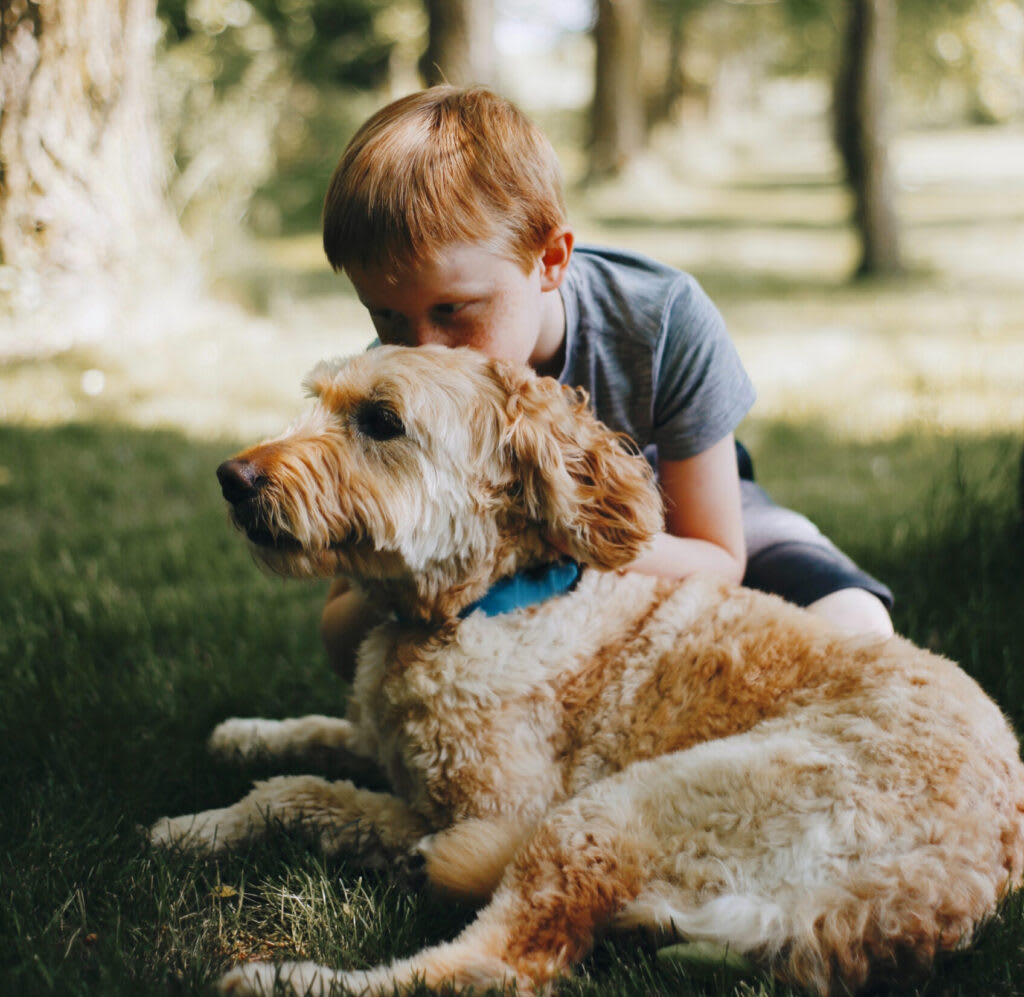
There is no doubt about the beneficial contribution that living with animals brings to everyday life. Their help becomes even more valuable when applied in educational, therapeutic and rehabilitation settings to the most vulnerable groups, namely children, the sick, the elderly and people with disabilities.
The term Pet Therapy (B. M. Levinson, 1964) refers to a type of therapy that involves the use of domestic animals to treat specific illnesses and improve patients' well-being. In Italy, in particular, this is known as Animal-Assisted Interventions (AAI).
But how does Pet Therapy work, in a nutshell? By stimulating empathy, relationships and interest in others!
Wonderful results have been observed in children from living with animals. We're talking about self-acceptance, self-esteem, self-confidence, development of a sense of responsibility and a better ability to relate to others. Studies carried out on Pet Therapy have also demonstrated positive effects in the treatment of behavioral and learning disorders, as well as difficulties with integration in school settings.
The results of this type of treatment in people with autism spectrum disorder who have communication difficulties also appear encouraging. Improvements have been noted in attention, social interaction and behavioral stereotypies.
People with depression who undergo animal-assisted interventions appear encouraged to react and begin to feel useful again. This sometimes means literally saving lives. The mere presence of an animal, especially through physical contact, in stressful situations promotes the release of endorphins and dopamine and reduces blood pressure, heart rate and anxiety levels.
In the elderly, in addition to the positive effects already outlined for other groups, physical/motor stimulation is also recorded, resulting from having to care for the animal, play with it and take it for walks. In hospitals and nursing homes, places where patients are in fact separated from their family loved ones for most of the time, the presence of animals also offers a simple conversation starter and promotes interaction with others.
Studies are showing that Pet Therapy not only actually determines a better patient response to treatment from a psychological point of view, but also often allows for reduced medication administration. Once again we must thank our animal friends for everything they do for us, even simply through their presence!

