


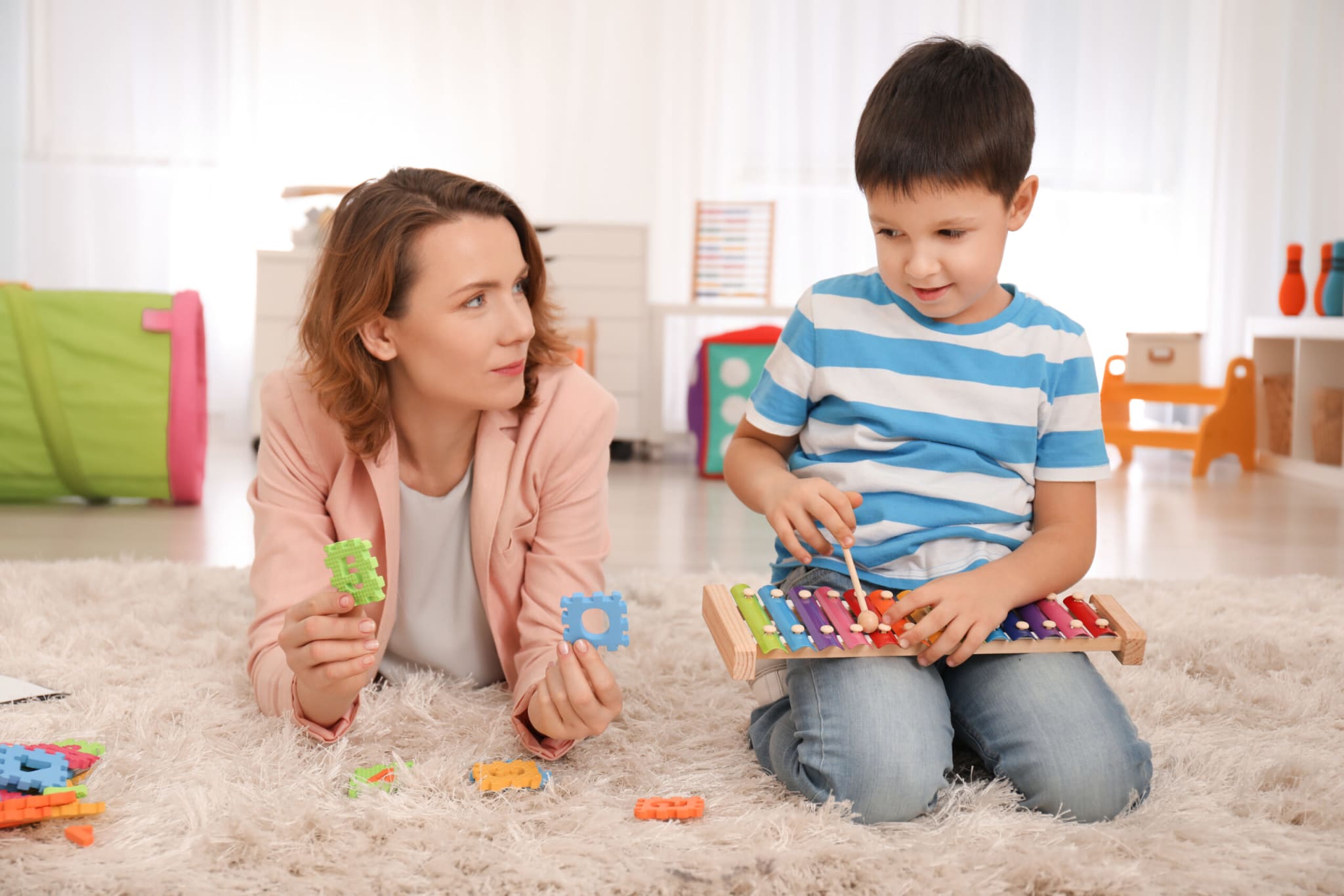
Music is a universal language: a simple melody can reach straight into the heart of an adult just as it can a child's, triggering different emotions and reactions in each of us. It can help us overcome an obstacle, change our mood, and influence the way we relate to the world.
This is why music therapy is often a valuable ally, especially in helping children with autism face various challenges related to motor, verbal, social, emotional, or cognitive disorders.
1. Self-Control and Trust
Generally, people with autism show a strong sensitivity to music: listening to it allows them to relax, gain self-control, open up, and even to establish a relationship of trust with the therapist.
2. Learning and Communication
Did you know that music stimulates both hemispheres of the brain? In addition to promoting concentration and engagement in children, it therefore enables us to reach where it's most difficult, facilitating the reception of information and, likewise, communication with others, even for those who are unable to express themselves independently.
3. Motor and Sensory Skills
The approach to music and musical instruments enables multisensory experiences, namely auditory, visual, and tactile. Rhythm too, has its importance! It helps children with autism overcome their difficulties with coordination and motor control.
This brief reflection can only convince us of one thing: listening to music is good for body and soul. After all, our own life is marked by the rhythm of a heartbeat, that of our own heart. We can only be grateful to those who, through the wonderful instrument of music, help children and all people with autism live the best life possible!

